Inventories, check-ins and check-outs: how to protect the deposit
The inventory, dated photographs and a walked check-out decide most deposit disputes. A practical guide to the evidence scheme adjudicators actually read.
An uninspected check-out loses the deposit case. Scheme adjudicators work from documents — a signed inventory, dated photographs, meter readings, keys returned — and where those are missing the money usually goes back to the tenant on everything beyond unpaid rent. The law sets the deposit rules; evidence decides the dispute.
Why the inventory decides it
The three authorised schemes — the Deposit Protection Service, MyDeposits and the Tenancy Deposit Scheme — each run a "free dispute resolution service" (GOV.UK's phrase). Both parties opt in, the money sits with the scheme meanwhile, and "the decision made about your deposit will be final." Adjudication is paper only: no visit, no hearing, no cross-examination. The adjudicator reads what you send and decides.
In practice that means a signed, dated inventory and check-in condition report is the single most useful document in the file. Without a baseline there is no measurable change, and without measurable change there is no deduction. Unpaid rent survives on bank statements. Cleaning, damage and missing items usually do not.
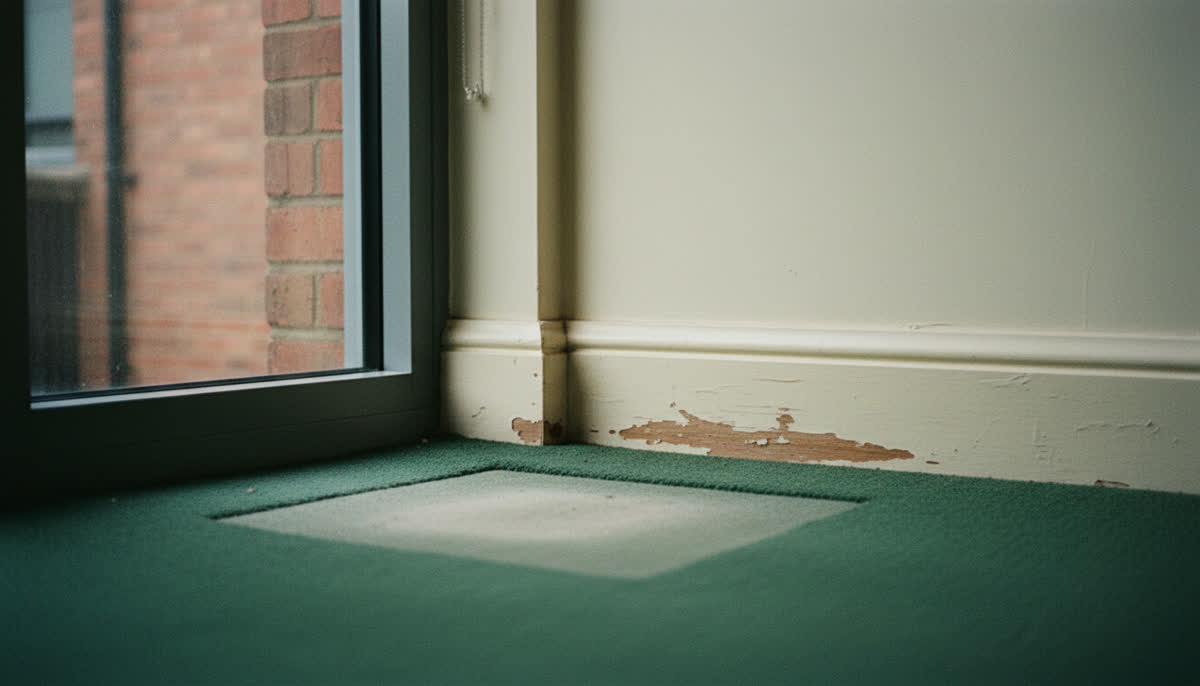
What a usable inventory contains
Treat it as a condition report, not a list. Room by room, record:
- Walls, ceilings, woodwork and decoration — colour and condition
- Floors and floor coverings
- Fittings, fixtures and furniture where supplied
- White goods, including make, model and serial numbers
- Cleanliness, surface by surface
- Smoke and carbon monoxide alarm positions, and that each was tested on the day
- Meter types and opening readings — gas, electricity, water where metered
- Keys and fobs issued, by number and to whom
Make it long. An inventory that is thin on detail is thin on evidence.
Dated photographs
Shoot every room from fixed positions — the same four corners you will shoot from at check-out — and shoot every defect close up. Timestamp them. A camera clock set correctly, or EXIF data from a phone, carries the date; keep the originals rather than compressed copies. Repeat the exercise, from the same positions, at check-out. Side-by-side comparisons do most of the work in an adjudication.

The check-in
Walk the property with the tenant where you can, go through the inventory in the rooms it describes, and get it signed on the day. Where same-day signature is not possible, send it over immediately and allow a short, stated window — seven days is a reasonable default — for comments. Note that period on the face of the document. Give the tenant a copy and keep yours. An inventory the tenant has not seen carries less weight than one they have signed, and far less than one they have signed on site.
Fair wear and tear, and betterment
Fair wear and tear is not a statutory concept in deposit law. It is the working rule scheme adjudicators apply, and the nearest anchor in statute is section 11(3) of the Landlord and Tenant Act 1985: the standard of repair is measured by "the age, character and prospective life of the dwelling-house and the locality in which it is situated." Adjudicators think in similar terms. An item has a remaining life, and a deduction reflects what is left of it.
Betterment is not recoverable. If a seven-year-old carpet with roughly two years of life left is ruined, the claim is for that remaining value, not the price of a new one. A repainted hallway after three years is maintenance, not damage. Keep the deductions schedule honest: an adjudicator who sees one inflated line reads the rest more sceptically.
Mid-tenancy visits
The landlord has no general right to inspect. Section 16 of the Housing Act 1988 implies a covenant that the tenant shall "afford to the landlord access to the dwelling-house let on the tenancy and all reasonable facilities for executing therein any repairs which the landlord is entitled to execute." Repairs the landlord is entitled to carry out — not inspections at large. In practice: write ahead with reasonable notice (24 hours in writing is the standard courtesy), say why you need to attend, and go only if the tenant agrees. Where repairs are needed and access is being refused, that is a separate problem — see our antisocial behaviour guide for the escalation route.
The check-out
Compare against the inventory, room by room, in the same order, with the signed copy in hand. Take the photographs from the same fixed positions. Read the meters, note the readings and the date, and photograph the dials. Collect every key and fob against the issue list; charge replacements where any are missing. Ask for a forwarding address in writing — you will need it to serve the deductions schedule.
An uninspected check-out — keys posted back, no walkthrough, no photographs — is almost always decided against the landlord on anything beyond unpaid rent. The adjudicator cannot infer condition from silence.
Scheme adjudication, in short
Agree the figure if you can. GOV.UK is explicit: the deposit must be returned "within 10 days of you both agreeing how much you'll get back." If you cannot agree, open an adjudication with the scheme. Both parties must opt in; without the tenant's consent the dispute route is the county court. The money is held by the scheme while the adjudicator decides. "You'll both be asked to provide evidence," and the decision is final.
What to send: the signed inventory and condition report, dated check-in photographs, dated check-out photographs from the same positions, meter readings at both ends, the key issue list, paid invoices rather than estimates for cleaning and repairs, and a deductions schedule that reflects remaining-life values rather than replacement cost.
How this fits with the rest of the file
The inventory sits inside the pre-tenancy pack — see what the landlord must give the tenant before move-in — and runs alongside the section 11 repair duty across the tenancy. Condition and repair are the same evidence trail, filed together. For the full statutory framework around the deposit itself, see our tenancy deposits guide; for anything that touches ventilation before you reach for a deduction, read damp and mould duties.
General information, current at October 2026, and not legal advice. Confirm any specific dispute with your deposit scheme before acting.
To have an inventory, check-in report or deductions schedule reviewed before you submit it, ring 0161 710 4510, call in at 12–14 Midland Street, Manchester M12 6LB, or see our fees.