Smoke and carbon monoxide alarms: what landlords must install by law
A plain-English guide to the Smoke and Carbon Monoxide Alarm (England) Regulations 2015, as amended, covering where alarms are legally required, who must check and maintain them, and the enforcement and penalty regime for landlords who don't comply.
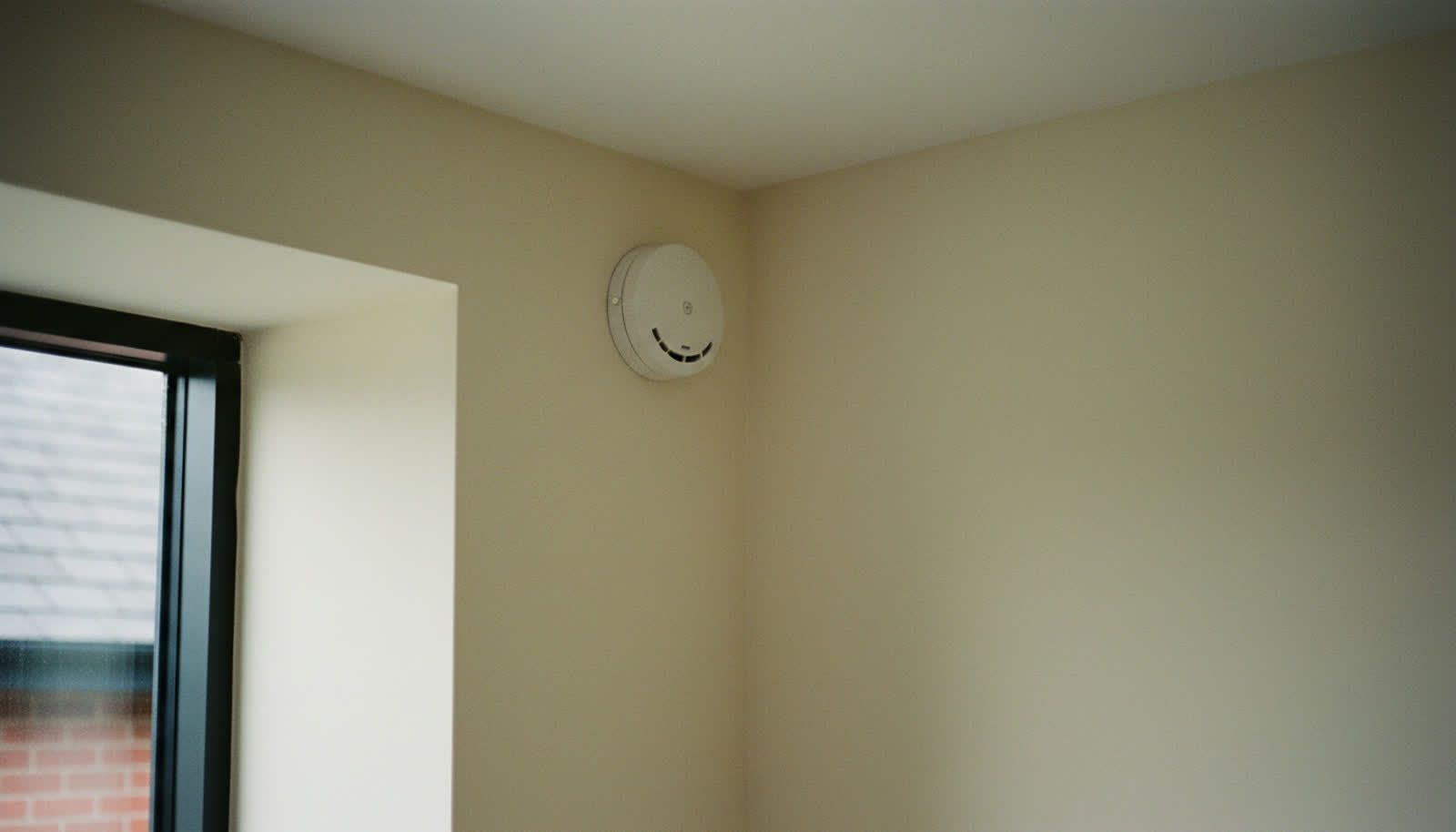
Smoke alarms and carbon monoxide alarms are two of the few pieces of safety kit that every residential landlord in England is legally required to fit, check and maintain — not as best practice, but as a statutory duty with a real penalty attached for getting it wrong. The rules sit in the Smoke and Carbon Monoxide Alarm (England) Regulations 2015, which have been amended twice since they came into force, most substantially in 2022. This article sets out what the law actually requires today, who it applies to, and what happens if a landlord falls short.
What the law requires
The 2015 Regulations came into force on 1 October 2015 and apply to England only. They impose duties on a "relevant landlord" in respect of a "specified tenancy" — broadly, most private tenancies where rent is paid and the tenant occupies the premises as their only or main home, subject to a short list of exclusions (long leases of seven years or more, student halls, care homes, hostels and refuges, and similar).
Regulation 4(1) requires a relevant landlord to ensure that a smoke alarm "is equipped on each storey of the premises on which there is a room used wholly or partly as living accommodation." A bathroom or lavatory counts as living accommodation for this purpose, so a storey containing only a bathroom still needs a smoke alarm if anyone could use it as such. This is a one-detector-per-floor minimum, not one per bedroom.
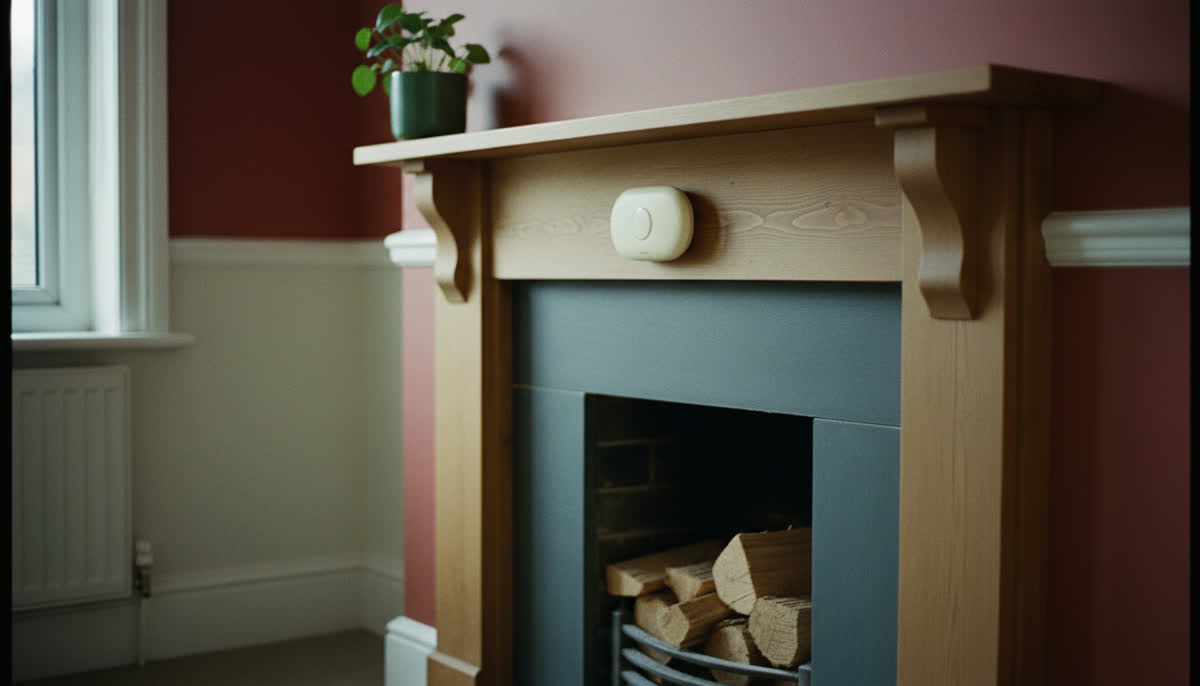
The carbon monoxide duty has changed. As originally written in 2015, a CO alarm was only required in a room containing a solid fuel burning appliance (an open fire or wood burner, for example). The Smoke and Carbon Monoxide Alarm (Amendment) Regulations 2022 (S.I. 2022/707) widened this significantly: from 1 October 2022, the duty applies to any room used as living accommodation that contains "a fixed combustion appliance other than a gas cooker." That now catches gas boilers, gas fires, and oil-fired heating appliances as well as solid fuel burners — a gas cooker is the one specific exemption carved out.
Checks at the start of a tenancy — and during it
Landlords must make checks to ensure each alarm is in proper working order on the day a new tenancy begins. This has always applied to new lets, but since 1 October 2022 the law goes further: where a tenant (or someone nominated by them) reports during the tenancy that an alarm isn't working, the landlord now has a standalone duty to have it checked and, if necessary, repaired or replaced. The Regulations require that both the check and any repair or replacement be carried out "as soon as reasonably practicable." There's no fixed number of days specified in the Regulations for this — "reasonably practicable" is a judgment call, and a landlord who drags it out for weeks after a clear report is on weak ground if challenged.
In practice, most landlords and managing agents build an annual (or more frequent) test into their property visits anyway, alongside gas safety and electrical checks — our guide to landlord safety certificates in England covers how those other statutory checks fit together with alarm compliance.
Who counts as a "relevant landlord"
One change worth flagging because it's easy to get wrong: when these Regulations were first made in 2015, registered providers of social housing (housing associations and similar) were excluded from the duty entirely. That exclusion was removed by the 2022 amendment — since 1 October 2022, the definition of "relevant landlord" in regulation 3(1) no longer carves out social landlords, so the smoke and CO alarm duties now apply across the private and social rented sectors alike. If you're relying on older guidance that describes social housing as exempt, treat it as out of date.
Separately, the Regulations don't apply to licensed HMOs or licensed houses under Parts 2 and 3 of the Housing Act 2004 — those properties get equivalent smoke and CO alarm conditions written directly into their licence instead, via amendments the same Regulations made to Schedule 4 of the 2004 Act. If you manage a licensed HMO, the alarm obligations will appear as licence conditions rather than under these Regulations directly — see our article on HMO landlord duties after licence for how licence conditions generally work in practice.

What happens if a landlord doesn't comply
Enforcement sits with the local housing authority, not the tenant directly, and it follows a set process:
First, where a council has reasonable grounds to believe a landlord is in breach, it must serve a remedial notice within 21 days of forming that view. The notice must specify the property, the duty breached, the remedial action required, and give the landlord 28 days to comply. The landlord has a right to make written representations against the notice within that same 28-day window, and making representations automatically suspends the notice until the council has considered them and written back confirming or withdrawing it.
If the landlord still doesn't comply once a notice is confirmed, the council can arrange for its own contractor to carry out the work — but only with the occupier's consent, and the contractor must give the occupier at least 48 hours' notice before attending.
Finally, a landlord who remains in breach of the duty to comply with a confirmed remedial notice can be hit with a penalty charge. The Regulations cap this at an amount that "must not exceed £5,000" per breach, with the exact figure set by the council's own published statement of principles. A penalty charge notice must be served within six weeks, the landlord can ask for an internal review, and after that there's a right of appeal to the First-tier Tribunal — which can confirm, quash or reduce the penalty, but not increase it.
A sensible baseline, not the whole picture
These Regulations are a legal floor, not a ceiling. Many tenancy agreements, lenders and insurers expect more — for instance, interlinked alarms, or alarms in every bedroom — and a working alarm is only one part of keeping a let property safe and compliant. If you'd rather hand the day-to-day checking and paperwork to someone else, our management service and what it covers is set out on the /fees page.
This article is general information for landlords and tenants in England, correct as at November 2026, and is not legal advice — specific cases should be checked against the current text of the Regulations or with a qualified adviser, since statutory instruments in this area are amended periodically. For help with safety compliance on a let property, contact Atlas Estates on 0161 710 4510 or visit us at 12–14 Midland Street, Manchester M12 6LB.