Can you sell a rented property with tenants in it?
Yes — the tenancy continues and the buyer becomes the landlord. Selling empty needs Ground 1A, four months' notice and a re-letting ban of about 16 months.
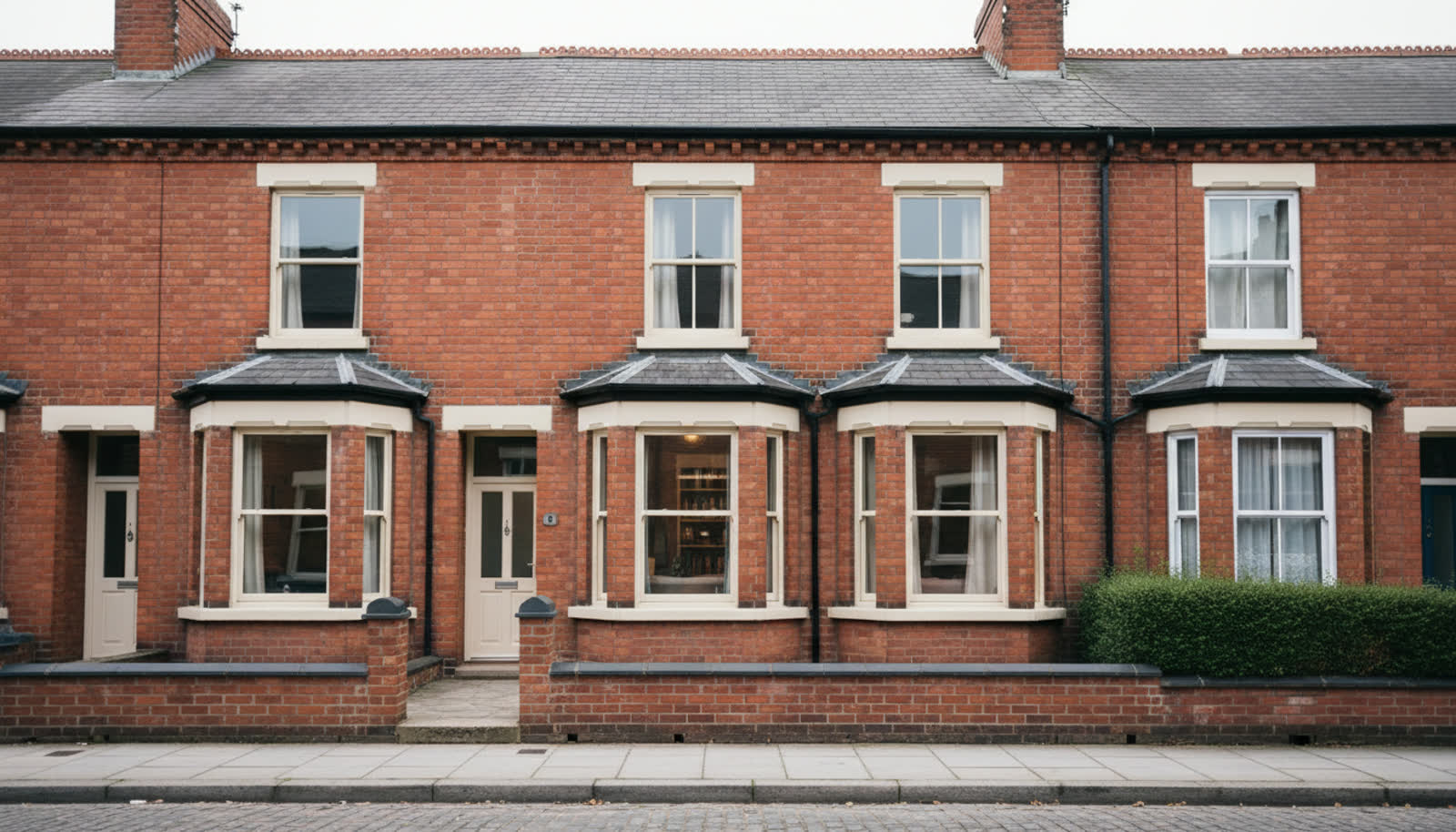
Yes. A rented property can be sold with the tenant still in it: the sale does not touch the tenancy, which runs on unchanged, and the buyer becomes the landlord on completion. Selling empty means ending the tenancy first, which since 1 May 2026 means Ground 1A, four months' notice and a court order. That route costs far more than four months: the re-letting ban that follows outlasts the notice by a year.
The two routes
- With the tenant in place — an investment sale. The tenancy continues and the buyer takes over as landlord.
- With vacant possession — serve notice on Ground 1A, recover the property, sell it empty.
There is no third option, and promising a buyer vacant possession before the tenancy has ended puts you in breach if the tenant is still there on completion day.

Selling with the tenant in place
A sale is not a way of ending an assured tenancy. A lease of seven years or less overrides a registered disposition under Schedule 3 to the Land Registration Act 2002, as does the interest of a person in actual occupation — so the tenancy binds your buyer. Rent, fixed term, repair rights and deposit all survive; the buyer cannot raise the rent or add conditions because they have bought the place.
What transfers:
- The deposit, still protected in an authorised scheme — Deposit Protection Service, MyDeposits and Tenancy Deposit Scheme all have a change-of-landlord process — with the prescribed information re-issued, since it must state the landlord's own name and address. Under section 215 of the Housing Act 2004 compliance is a precondition of a possession order on Ground 1A, and section 214(4) exposes a landlord to paying the tenant between one and three times the deposit.
- The tenancy file: agreement and renewals, gas safety record, EICR, EPC, the How to Rent guide, right to rent checks, inventory, deposit paperwork and rent account.
Your buyer is another landlord, a thinner pool, since most residential mortgages assume the borrower will live there. Expect a cash buyer or a buy-to-let lender, and a price reflecting yield rather than owner-occupier value.
Selling with vacant possession
Ground 1A sits in Part I of Schedule 2 to the Housing Act 1988 — mandatory, so the court must order possession once it is made out. The conditions that catch people:
- You must intend to sell a freehold or leasehold interest, or grant a lease for a term certain of more than 21 years.
- The tenancy must have begun at least a year before the relevant date in your notice; both the first day of the tenancy and the relevant date count towards the year.
- Notice is four months, beginning with the date of service (section 8(4AA)).
- Proceedings must begin within twelve months of service or the notice is dead (section 8(3)(c)).
The restricted period: nearer sixteen months than twelve
Do this arithmetic slowly. Section 16M(4)(a) defines the restricted period as the period—
beginning with the date on which the notice or purported notice is served, and ending with the last day of the period of twelve months beginning with the date specified in the notice or purported notice as the earliest date on which proceedings for possession will begin.
It does not run for twelve months from service. It runs from service until twelve months after the earliest date for proceedings — and that date is already four months away. Serve on 1 November 2026: the four-month period ends 28 February 2027, so that is the earliest date you can state. Twelve months beginning with 28 February 2027 ends 27 February 2028. The restricted period therefore runs from 1 November 2026 to 27 February 2028 — a few days short of sixteen months from the day you served.
Throughout it, section 16E(2) bars letting the property on a tenancy of 21 years or less or letting anyone occupy it for money under a licence, and section 16E(3) bars marketing it for either, including through an agent. Breach is a criminal offence under section 16J, and a council can impose a penalty of up to £40,000 instead of prosecuting (section 16K). The section 16F exceptions are narrow — on Ground 1A, little more than licensing your buyer in ahead of completion.
Hence the trap: if the sale falls through in month eight you cannot re-list to let. You hold an empty house, with a mortgage, until the period ends — and the same applies if you change your mind and keep it. Ground 1A should follow a settled decision to sell.

What to have ready
For any sale: an EPC — gov.uk says you must order one before marketing a property to sell or rent — plus title documents, the property information and fittings forms your conveyancer sends out, and a leasehold pack if it is a flat. For a tenanted sale, add the tenancy file above; a buyer's solicitor will ask for every item, and gaps get priced in. See our landlord safety certificates guide.
Telling the tenant
Tell them early, in writing, and say which route you are taking. Then the practical point: you have no statutory right of access for viewings. The access term the Housing Act 1988 implies, in section 16, covers repairs the landlord is entitled to carry out — not showing buyers round. Any viewing right comes from the tenancy agreement, and even a good clause does not let you enter over the tenant's objection. Pushing it risks a harassment allegation under section 1 of the Protection from Eviction Act 1977.
Which is why co-operation beats rights. A tenant asked rather than instructed, and offered fixed viewing windows, will usually help; one who finds out from a board going up will not.
So which one
A tenanted sale is quicker, keeps the rent coming and carries no possession risk — at the cost of a thinner buyer pool and usually a yield-based price. Vacant possession opens the whole market, at the cost of four months' notice, a possible court claim, void months and a letting ban of about sixteen months. Where the numbers are close the tenanted sale is safer: Ground 1A commits you before you know what the sale will do.
Atlas Estates does both sales and lettings from Manchester, so a tenanted disposal does not need two firms. See our fees, ending a tenancy now section 21 has gone, what the Renters' Rights Act changed and the city's rental areas. We are a member of the Property Redress Scheme.
General information, current at October 2026, and not legal advice. Possession and sale both turn on the facts of the individual tenancy — take advice from a solicitor before serving any notice.
If you want the figures on both routes before you decide, ring 0161 710 4510, book a valuation or call in at 12–14 Midland Street, Manchester M12 6LB.