Buying a New Build Home: What to Check Before You Complete
A plain-English guide to structural warranties, snagging, the New Homes Quality Code, and reservation fees for anyone buying a new-build home in England.
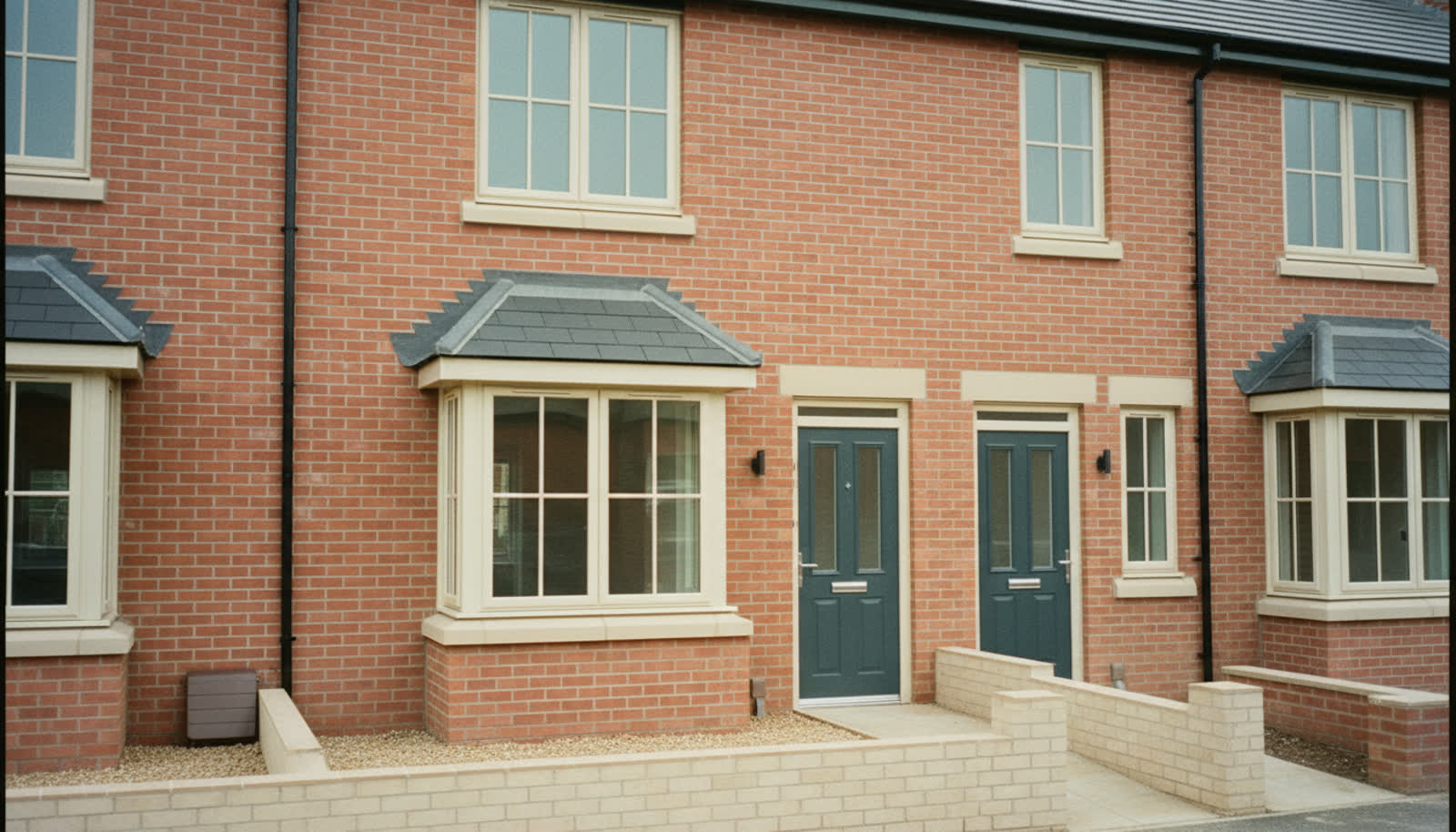
Buying a new build home comes with a different set of risks to buying an older property, and a different set of protections too. There's no chain of previous owners to ask about damp or subsidence, but there's also no survey history and, often, a finished product you're buying partly on trust from a show home or a set of plans. The protections that exist — structural warranties, a consumer code, and an after-sales snagging process — are mostly industry schemes rather than Acts of Parliament, which matters because it changes what you can actually demand if something goes wrong. This article sets out what those schemes cover, where the gaps are, and the practical steps worth taking before you exchange and complete.
Reservation agreements and reservation fees
The process usually starts with a reservation agreement and a reservation fee, paid to take the property off the market while you arrange your mortgage and solicitor. Under the New Homes Quality Code — the current industry code covering most major developers — reservation requirements include "Code-compliant Reservation Agreements, details of future development phases, and providing an Affordability Schedule of future costs." Developers must also, under the Code, "include a major changes process, protect deposits and other fees, and give you a 14-day cooling-off period."
That cooling-off period matters in practice: it gives you a short window after reserving to pull out and recover your fee if you change your mind or your survey or mortgage offer raises concerns, without being tied into losing the money. Whether a reservation fee is refundable outside that window depends on the specific agreement, so read it before you sign and ask your solicitor to check it alongside the rest of the paperwork rather than treating it as a formality.
It's worth being clear-eyed about what the New Homes Quality Code is and isn't. It's an industry code of practice, run by the New Homes Quality Board (NHQB), that developers choose to sign up to — it is not statute, and it only protects you if your particular developer is registered with the NHQB and your reservation falls within the period they've been signed up for. If a developer isn't registered with the NHQB, they should tell you which other consumer code applies instead, since several codes have operated in this space over the years.

Structural warranties: what a 10-year cover actually means
Almost every new-build home in England comes with a structural warranty, most commonly a 10-year policy such as NHBC's Buildmark, though several providers offer broadly similar cover. These are insurance-backed warranties, not a government guarantee, and it's worth understanding how the 10 years actually breaks down. NHBC describes Buildmark as "your 10-year warranty and insurance policy, split into a two-year builder warranty and then eight years of insurance cover." In other words, for the first two years after legal completion, it's primarily the builder's own responsibility to fix defects; for years three to ten, the warranty provider's insurance cover takes over for specified structural problems, typically major issues like subsidence or defects in load-bearing elements, rather than general wear, decoration, or minor finishing snags.
There's also cover that applies before you've even moved in. Buildmark's insolvency protection, for example, covers the period after exchange of contracts if the builder becomes insolvent before completion and can't finish the home or refund your payments — useful to know given how much money changes hands between exchange and completion on a new build, often in staged payments as construction progresses. The exact financial limits, exclusions, and claims process vary by provider and are set out in the policy booklet and schedule you should receive, so treat the general description here as a guide to the shape of the cover, not a substitute for reading your own policy documents.
Snagging: what it is and when to do it
"Snagging" is the term for minor defects and unfinished details in a new home — things like poorly fitted doors, paint touch-ups, uneven tiling, or sealant gaps — as distinct from the more serious structural issues a warranty covers. Under the New Homes Quality Code, developers must give customers "the opportunity to undertake a pre-completion inspection of the new home" and provide "schedules of any incomplete and additional work." After you've moved in, the Code requires developers to provide "a clear after-sales process for two years following completion," including "an accessible complaints process" and a commitment "to resolving snags or defects within 30 calendar days" — again, a Code commitment from registered developers rather than a universal legal entitlement.
The practical risk is timing. Legal completion and moving in often happen close together, and once you've legally completed, your negotiating position changes: the sale has gone through regardless of what's wrong with the finish. Where you can, it's worth arranging a pre-completion inspection — either through the process the developer offers, or with your own suitably qualified snagging inspector — and getting any issues logged in writing before completion, rather than discovering them once you're already the legal owner. If that isn't practical, raise snags in writing as soon as possible after moving in and keep a dated record, since the 30-day Code commitment (where it applies) is easier to hold a developer to if you can show when you first reported each issue.

Getting redress if things go wrong
If a developer won't resolve a problem directly, your route to independent redress depends on which scheme covers your purchase. For snagging and defects within the warranty period, your structural warranty provider can be a point of contact, particularly within the builder-warranty years. Separately, if your developer is registered with the NHQB and your purchase falls within their registration, you have free access to the independent New Homes Ombudsman Service for complaints about either the quality of the home or the developer's customer service — this is the current consumer-redress route for most major builders, and it runs alongside, not instead of, your structural warranty. If your developer isn't NHQB-registered, they're required to tell you which alternative consumer code covers you instead.
Before you commit to a plot, it's reasonable to ask the developer directly whether they're registered with the NHQB, which warranty provider they use, and what their snagging and complaints process looks like — the answers tell you a good deal about what happens if the finish isn't right. If the development includes leasehold flats, the service charges and ground rent side of the purchase is a separate set of questions worth checking before you commit, alongside everything covered here.
This article is general information for buyers in England, correct as of November 2026, and isn't legal or financial advice — warranty terms, Code coverage, and redress eligibility depend on your specific developer, policy, and contract, so always check the actual documents and take independent legal advice before exchanging contracts. For a conversation about buying in the Manchester area, Atlas Estates can be reached on 0161 710 4510, or by visiting 12–14 Midland Street, Manchester M12 6LB.