Landlord safety checks letting agents should track
A managing agent's tracking role on gas, electrical, alarm, legionella and fire safety duties — and when non-cooperation becomes the agent's own risk.
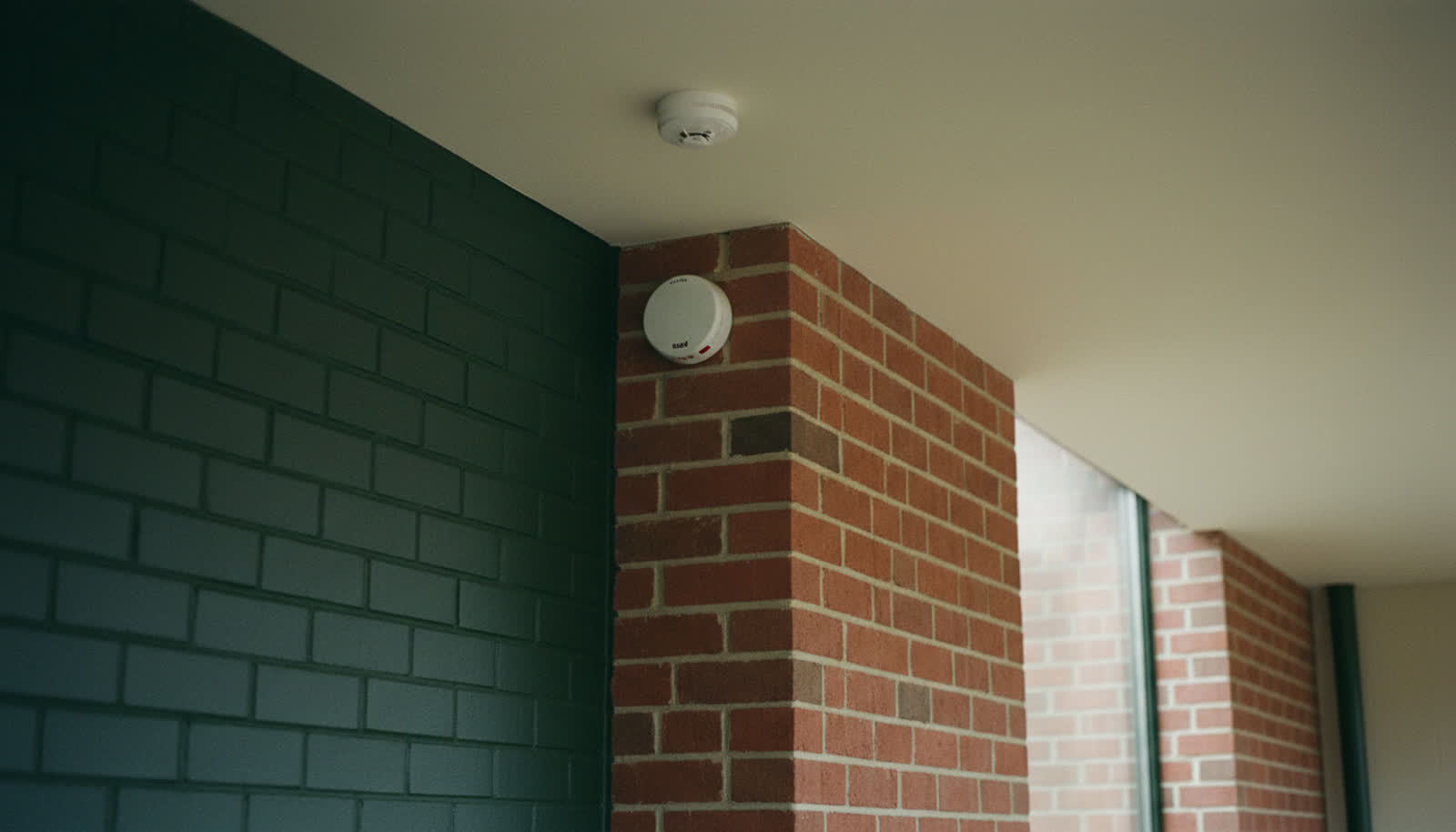
A managing agent's job on landlord safety duties is rarely to carry them out personally — it's to track the dates, chase the paperwork, and know when a landlord's non-cooperation stops being their problem and starts being yours. Across gas, electrical, alarm, legionella and fire safety, the statutory duty sits almost always with the landlord, not the agent, with one narrow exception under HMOs. An agent acting "on behalf of" a landlord is carrying out the landlord's instructions, not stepping into the landlord's legal shoes — so an agent's own exposure is contractual and reputational (negligence in managing the portfolio, breach of the agreement, a redress scheme complaint), not the criminal liability attaching to a landlord for letting an unsafe property. For the statutory detail, see our landlord safety certificates guide; this piece covers what an agent should do with it day to day.
Gas safety: the annual anniversary date
The landlord's duty under the Gas Safety (Installation and Use) Regulations 1998 is an annual check of every gas appliance and flue by a Gas Safe registered engineer, with the record given to tenants within set deadlines — often called a "CP12" in the trade, an old industry form reference rather than a term the Regulations use. For an agent, the job is the calendar, not the clipboard: track the anniversary date per property, flag it 4–6 weeks out, confirm the engineer left a signed record, get a copy to the tenant and the file within the deadline, and keep each record until two further checks have happened. Where the management agreement allows it, book the engineer directly rather than waiting on the landlord.
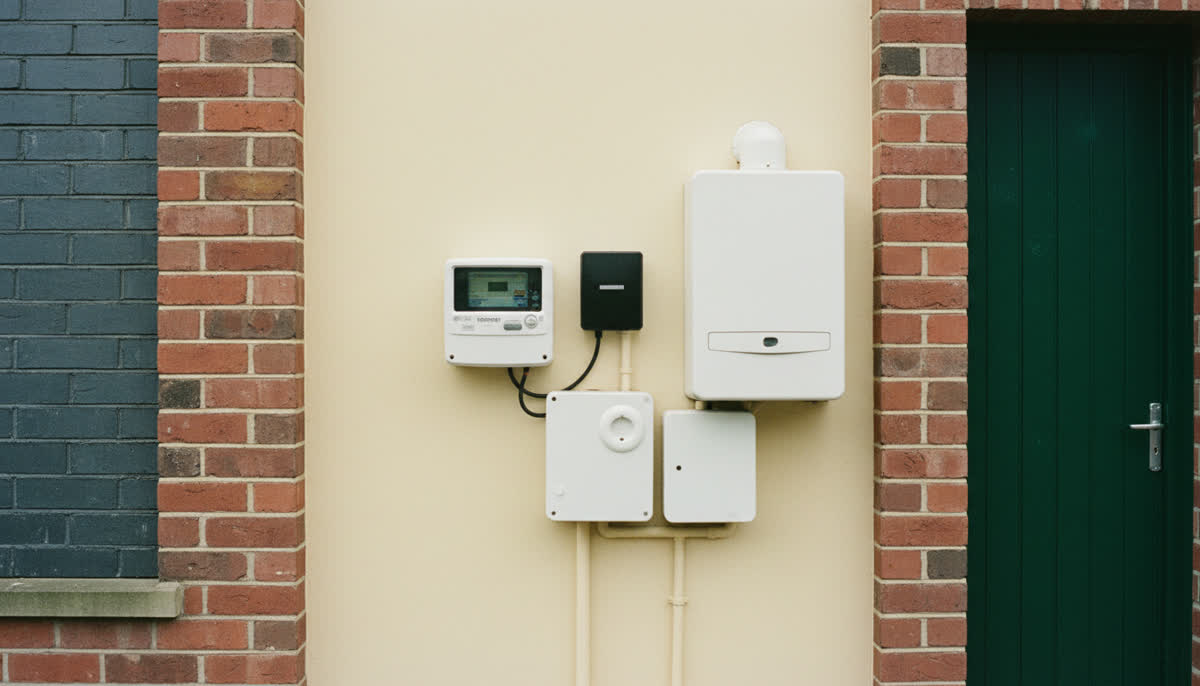
Electrical safety: the five-year EICR, tracked from the report date
The Electrical Safety Standards in the Private Rented Sector (England) Regulations 2020 require the fixed installation to be inspected at least every five years. The common failure isn't a landlord refusing a check — it's an agent assuming the interval runs from taking the property on, rather than from the date on the last EICR. Track the actual report date, and track any remedial deadline a report sets (C1, C2 and FI items generally need action within 28 days, sooner if the report says so) as a separate, shorter-fuse item.
Smoke and CO alarms: a check that resets with every tenancy
The Smoke and Carbon Monoxide Alarm (England) Regulations 2015 (as amended) require a smoke alarm on every storey with living accommodation, and a carbon monoxide alarm in any such room with a fixed combustion appliance other than a gas cooker. Unlike gas and electrical checks, this isn't an annual renewal: it's a check that happens fresh at the start of every tenancy, plus prompt repair whenever a tenant reports a fault. Build it into the standard move-in checklist rather than relying on memory.

Legionella: a risk assessment, not a certificate
This is the duty most likely to be tracked wrongly, because it's often assumed to work like gas or electrical compliance — a dated certificate, a renewal cycle. It doesn't. There's no regulation requiring a "legionella test" for an ordinary residential let, and HSE guidance is direct on this: "Health and safety law does not require landlords to obtain or produce a 'legionella test certificate'", and testing or sampling "is not usually required for domestic hot and cold water systems, and is only needed in very specific circumstances."
What does apply is a general duty. Landlords are treated as self-employed under section 53 of HSWA, and section 3 requires an undertaking to be conducted so that tenants aren't exposed to health and safety risks. COSHH adds a framework for assessing risks from biological agents such as legionella, and HSE's Approved Code of Practice L8 explains what that means in practice: for most ordinary domestic systems, a simple, proportionate assessment plus basic controls — keeping water moving, correct cylinder temperatures, flushing systems left vacant — not a laboratory test. There's no requirement to even write the assessment down, though HSE calls that sensible.
For an agent, the task is making sure a landlord has a documented legionella risk assessment on file, even a simple one, for any property with water storage, and prompting a fresh look whenever the system changes or a property stands empty for a long period. Nexis CPD's legionella awareness course is one option for staff training on this.
Fire safety: general duties, and a different regime for HMOs
Outside licensed HMOs, fire safety sits within the same general HSWA framework, plus the Smoke and CO Alarm Regulations above. Inside a licensable HMO the position is more prescriptive, and the legal duty can shift: the person managing an HMO under section 263(3) of the Housing Act 2004 expressly includes an agent receiving the rent, and "Neither insulates the other" from the running duties that follow — our HMO duties after licence guide covers these in full. This is the one place an agent's exposure can move from reputational to direct, so check who the licence names as manager on every HMO in the portfolio. Nexis CPD's fire safety awareness and fire door awareness courses suit staff training here.
EPC: linked, not repeated
The EPC duty, including the E-or-better minimum and the proposed 2030 changes, is covered in our EPC guide. An agent's job follows the same pattern as above — know the certificate's expiry, and chase a renewal before a listing goes live on an expired one.
Records, and what to do if a landlord won't engage
As a working minimum, keep: gas records until two further checks have been done; EICRs and remedial confirmations for the current cycle plus the prior report; alarm records from each move-in; and the legionella assessment, reviewed whenever anything changes. Keep the chase correspondence too — the emails asking a landlord to book an engineer are often the only evidence an agent has that it met its own obligations under the management agreement.
If a landlord repeatedly ignores reminders, an agent's position should harden in stages: written notice of what's outstanding, a documented record of every chase, and — if the landlord still won't act on something serious, such as an expired gas check or a known C1 fault — a point where continuing to manage the property is a bigger risk to the agent's standing than stepping back. An agent that keeps managing a property it knows isn't safe, with no paper trail showing it pushed the landlord, is the one left holding the fallout when something goes wrong. Training staff to recognise where a duty sits — our CPD training guide covers this — and to document every chase is the practical safeguard. Nexis CPD's electrical safety awareness course is a further option for staff tracking EICR compliance.
This article is for general information only and reflects the position as understood in November 2026. It is not legal advice. Take independent legal or professional advice for a specific property or landlord relationship.
If you're an agency owner reviewing how your compliance tracking holds up, call us on 0161 710 4510 or visit us at 12–14 Midland Street, Manchester M12 6LB — we're happy to talk through how we structure it.