HMO licensing and Article 4 in Manchester: what landlords need to know
Manchester has a city-wide Article 4 direction, so converting a house into a small HMO needs planning permission. Here is how planning and licensing differ, and the order to do them in.
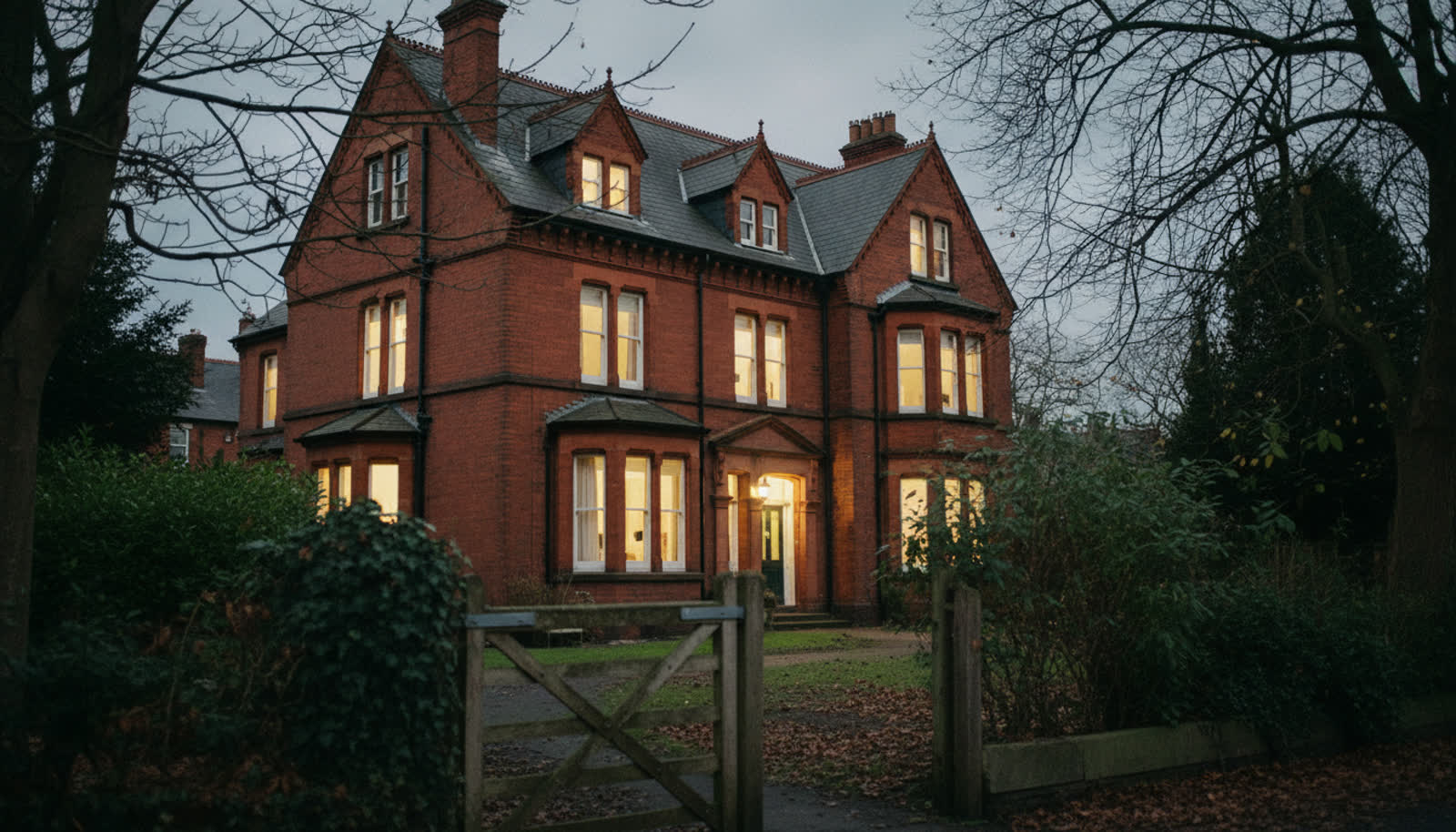
In Manchester you need planning permission to turn a family home into a small HMO. There is no permitted development right to fall back on: a city-wide Article 4 direction removed it in October 2010, and it still applies across the whole city today. Separately, if the property will be let to five or more people forming more than one household who share a kitchen or bathroom, you also need a mandatory HMO licence from the council.
Those are two different consents from two different departments, and people conflate them constantly. Getting one does not get you the other. This guide separates them.
Planning: the Article 4 direction
Under national rules, changing a house (planning use class C3) into a small HMO for three to six unrelated people (use class C4) is normally permitted development — no application needed. An Article 4 direction lets a council switch that right off.
Manchester was among the earliest authorities in England to do it, and did it across the entire city rather than in selected wards. The practical effect is simple: converting a dwelling into a small HMO in Manchester requires a full planning application. Not a prior approval, not a certificate of lawfulness — a planning application that can be refused.
Two things follow from that.
First, "it's only three tenants, we don't need permission" is wrong in Manchester, even though it is right in plenty of other places. Advice you read on a national forum or hear from a landlord in another city does not transfer here.
Second, a large HMO — seven or more occupants, use class sui generis — has always needed planning permission everywhere. Article 4 changes the small end, not the large end.

Licensing: a separate consent
Mandatory HMO licensing is national law and applies regardless of planning. A property needs a mandatory licence if all of the following are true:
- It is rented to five or more people forming more than one household
- Some or all of them share a toilet, bathroom or kitchen
- At least one tenant pays rent
A licence lasts up to five years and must be renewed before it expires. Renting out an unlicensed HMO that needs a licence can bring an unlimited fine — and it is not a technicality that gets overlooked, because a rent repayment order can follow, allowing tenants or the council to reclaim up to twelve months of rent.
Councils can also operate additional licensing schemes that catch smaller HMOs, and selective licensing schemes that catch ordinary single-family lets in designated areas. These come and go by designation and vary street by street. Always check the position for the specific address before you commit, rather than assuming the rules that applied to your last purchase still apply.
The order to do things in
The sequence matters, because getting it wrong is expensive.
- Check the address for existing planning history, current licensing designations, and any conservation area or listed status.
- Apply for planning permission for the change of use. Budget properly for the time this takes; it is not a formality.
- Design to the licensing standard, not the minimum. Room sizes, fire separation, escape routes, alarm grades and amenity ratios all have to satisfy the licensing conditions. Building to "good enough for planning" and then discovering the layout fails licensing means doing the work twice.
- Build.
- Apply for the licence, with the compliance certificates ready.
- Let it.
The most common expensive mistake we see is step 3 being skipped: a conversion designed around maximising bedroom count, which then cannot be licensed without losing one of them.
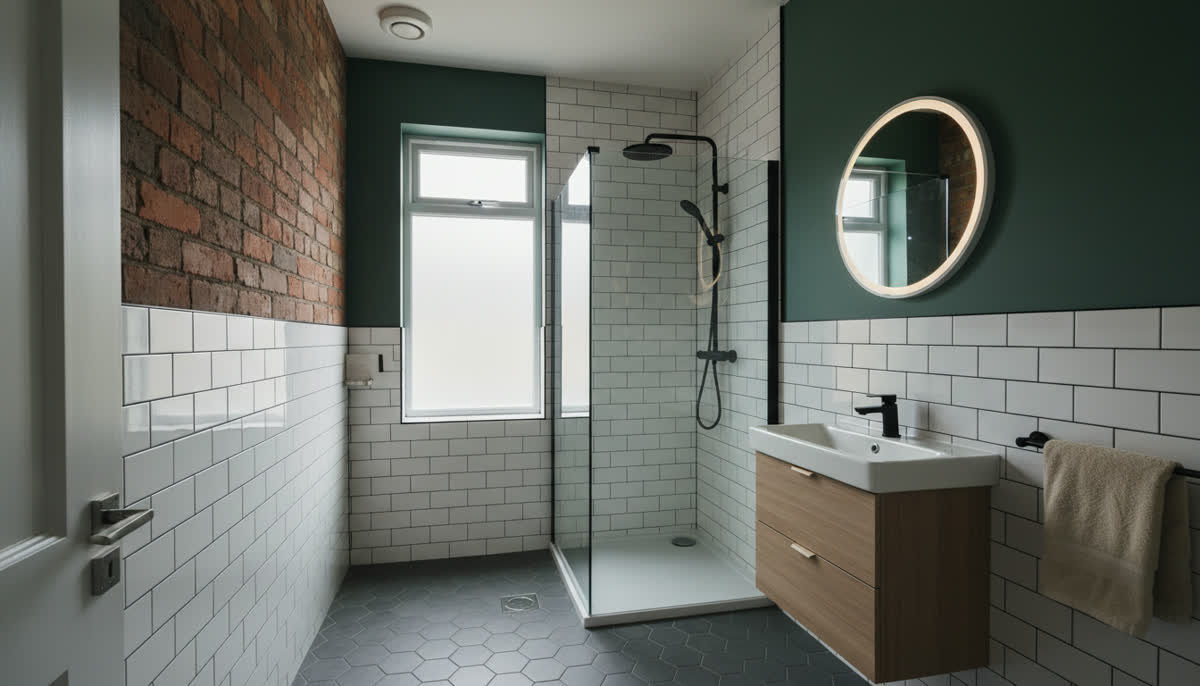
What actually makes an HMO work
Beyond consents, the properties that perform are the ones designed for how sharers actually live:
- Fire compliance built in, not retrofitted. Interlinked alarms to the right grade, fire doors with the correct closers, protected escape routes. Retrofitting this into a finished refurbishment costs far more than designing it in.
- Enough bathrooms. The ratio is a licensing requirement, but it is also the single biggest driver of whether tenants renew.
- En-suites where the numbers support them. They raise the rent per room and cut the friction that makes sharers leave.
- Sensible communal space. A kitchen-diner people can actually sit in reduces turnover more than an extra square metre of bedroom.
- Durable finishes. Sharer properties take more punishment than family lets. Specify accordingly.
The 2026 context
The Renters' Rights Act 2025 took effect for most purposes on 1 May 2026, ending Section 21 possession and moving tenancies to a periodic model. For HMO landlords this makes tenant selection, referencing and record-keeping materially more important — recovering possession now depends on establishing a specific ground with evidence.
It also raises the value of getting the licensing right. Where a property should be licensed and is not, the landlord's position when something goes wrong is considerably weaker.
Where we come in
Atlas handles both sides of this: the planning application and conversion through our in-house construction team, and the licensing, compliance and letting afterwards. That means one project lead from survey to first tenant, and a layout designed against the licensing standard rather than reverse-engineered to fit it.
If you are looking at a property and want to know whether it will work as an HMO before you bid, ring 0161 710 4510. We would rather tell you it does not stack up than manage a conversion that never should have started.
This guide describes the position in Manchester as at August 2026. Licensing designations change; always confirm the current position for a specific address with Manchester City Council before committing. It is general information, not legal advice.
See also: how much a letting agent costs in Manchester.