Is it cheaper to rent or to buy?
How to compare renting and buying honestly: entry and exit costs, SDLT, the deposit's opportunity cost, and why the answer depends on how long you stay.
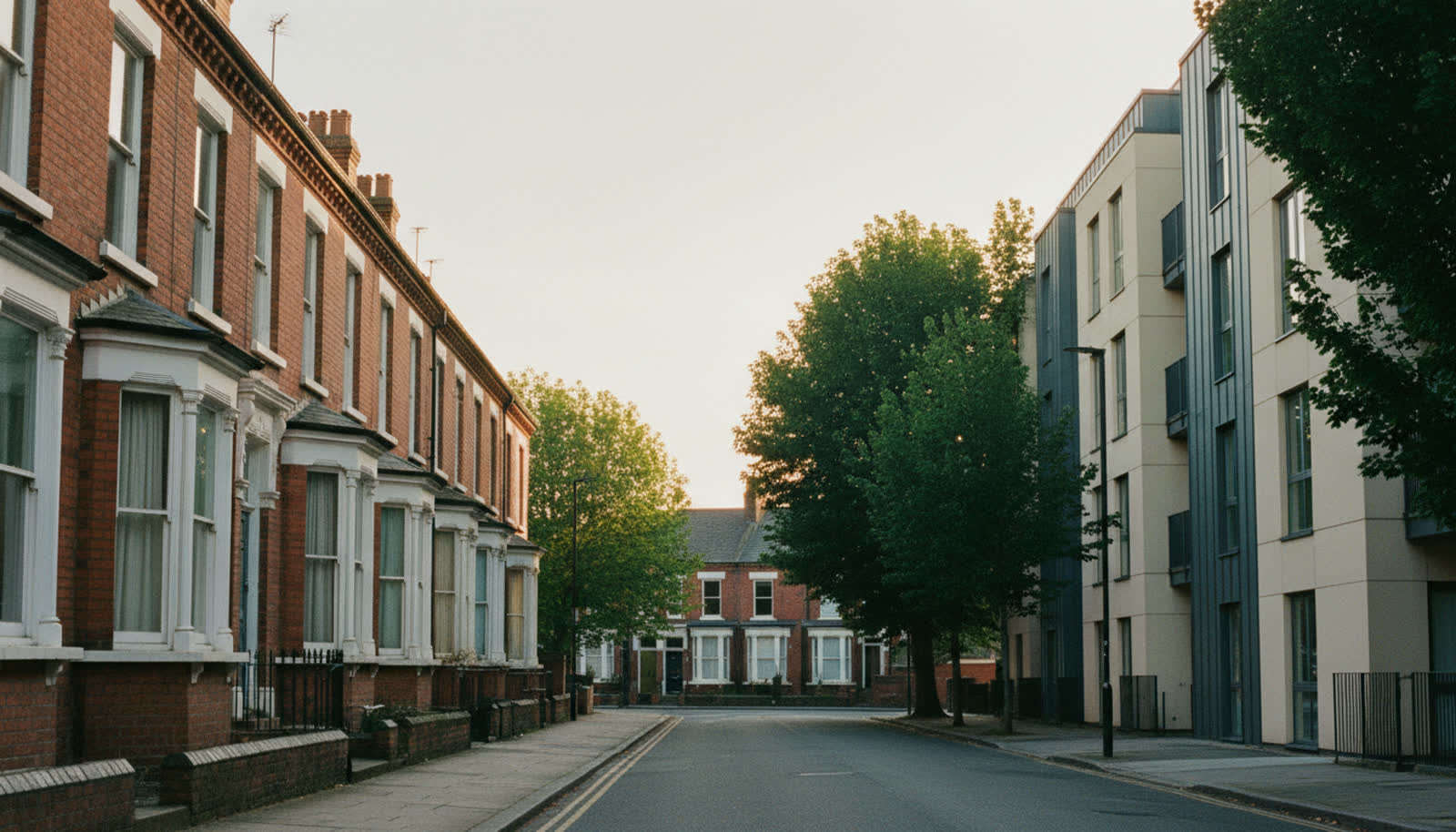
There is no answer to "is it cheaper to rent or to buy" until you say over what period. Buying loads most of its cost at the two ends — getting in and getting out — while renting spreads its cost evenly and returns nothing. So the comparison is not monthly payment against monthly rent, but total cost over the years you expect to stay, counting what the renter's un-spent deposit earns meanwhile. Change the years and the answer can flip.
Why both slogans are wrong
"Rent is dead money" ignores that much of an early mortgage payment is interest, which you also do not get back, and that an owner pays for the roof when it leaks. "Buying always wins" ignores the entry and exit costs, which are real, large and paid whether or not prices move.
The useful question is narrower: over the period I expect to stay here, which option leaves me with more money at the end?

The real cost of buying
Write down every item, not just the mortgage:
- The deposit — not a cost, but capital locked into one asset in one city.
- Stamp Duty Land Tax, with the additional-property surcharge where it applies.
- Legal work, searches and a survey — GOV.UK's buying guide lists among the steps that you must "arrange and pay for searches and surveys", and a survey is separate from your lender's own valuation.
- Mortgage-related fees where a product carries them, and buildings insurance on a freehold house.
- Maintenance. An owner carries the boiler, the roof and the windows. There is no official figure; pick an annual allowance and be honest.
- Selling costs at the end — agency fee, conveyancing, an EPC, removals. GOV.UK notes that "Selling a home takes about 5 months on average."
If it is a flat, add service charge and ground rent. GOV.UK: "Your lease sets out the way the service charge is organised and what can be charged." And: "Ground rent is a payment to your landlord that might be included in your lease." For leases granted on or after 30 June 2022, "You usually cannot be charged anything more than a 'peppercorn' ground rent after this date" — older leases can still carry a rising one, so read the lease. Buildings insurance usually sits inside the service charge.
Stamp duty: check it on the day
Checked on GOV.UK on 19 October 2026, the standard residential rates run on portions of the price: nil up to £125,000, 2% to £250,000, 5% to £925,000, 10% to £1.5 million, and 12% above. First-time buyer relief gives no SDLT up to £300,000 and "5% SDLT on the portion from £300,001 to £500,000", with no relief over £500,000.
On additional properties the same page says: "You usually pay 5% on top of these rates if you own another residential property." HMRC's higher-rates guidance, under the heading "The higher rates from 1 April 2025", gives the resulting bands as 5%, 7%, 10%, 15% and 17%. The surcharge bites where "you buy a residential property (or a part of one) for £40,000 or more", so there is no nil band on a cheap flat.
It does not apply where "the property you're buying is replacing your main residence" and "your previous main residence was sold within 36 months of completing your new purchase". These rates have changed more than once in recent years; confirm the live figures on GOV.UK on the day you offer — including the ones above.

The real cost of renting
Shorter, but not nil:
- The rent, and the assumption that it rises. Pick a rate of increase; do not model it flat.
- The deposit held, which is capped. GOV.UK's tenant guidance: "If the annual rent is below £50,000 the maximum deposit is up to 5 weeks' rent", and six weeks where it is £50,000 or more. It is your money, protected and returned — "Your landlord or letting agent must put your deposit in the scheme within 30 days of getting it".
- Moving costs each time, and contents insurance — but no buildings insurance, maintenance, service charge, selling costs or stamp duty.
Renting also buys optionality, which never appears in a spreadsheet: you can leave. If there is a realistic chance your job, household or city changes within a few years, that is the variable doing most of the work here.
The opportunity cost most comparisons miss
A renter who does not put down a deposit still has that money. A fair comparison invests it, at whatever return you assume, and counts what it grows into. It should also handle the monthly difference: in some months the owner pays more and in some less, and that gap belongs in the model.
Leave it out and buying looks better than it is. Put it in and the answer becomes sensitive to a number nobody knows.
Break-even: the only answer worth giving
Because entry and exit costs are large and paid once, buying starts well behind and closes the gap over time. Where the lines cross is your break-even: stay past it and buying was cheaper on your assumptions; leave before it and renting was.
Where it falls depends entirely on inputs you choose — price, deposit, borrowing cost, rent growth, house price growth, investment return, service charge, maintenance and years stayed. Which is why the serious reply to "which is cheaper" is a question back: over what period, and on what assumptions?
What nobody can tell you
Future house price growth, rents, borrowing costs and investment returns are assumptions, not forecasts. Anyone presenting them as known is guessing with confidence. Run the comparison three times — pessimistic, central, optimistic — and see whether your decision changes. If it does not, the uncertainty hardly matters. If it does, you now know what you are betting on.
Run your own figures
Our comparison tool takes your own numbers and time horizon, including the opportunity cost of the deposit. It is a model, not a prediction, and only as good as the assumptions you feed it.
See also buy-to-let checks and the city's rental areas. Our fees are published, and we are a member of the Property Redress Scheme.
Atlas Estates is an estate and letting agency and is not authorised by the Financial Conduct Authority. We cannot give mortgage, financial or investment advice, and nothing here is a recommendation to rent, to buy or to invest. Take advice from an FCA-authorised adviser, and from a solicitor and an accountant on the legal and tax position. To talk about a specific address, ring 0161 710 4510 or call in at 12–14 Midland Street, Manchester M12 6LB.
General information, current at October 2026. Not financial advice. Atlas Estates is not authorised by the Financial Conduct Authority.