Asbestos in older homes: what buyers and landlords should know
Where asbestos turns up in older UK homes, the exact ban dates, and who actually has a legal duty to manage it.
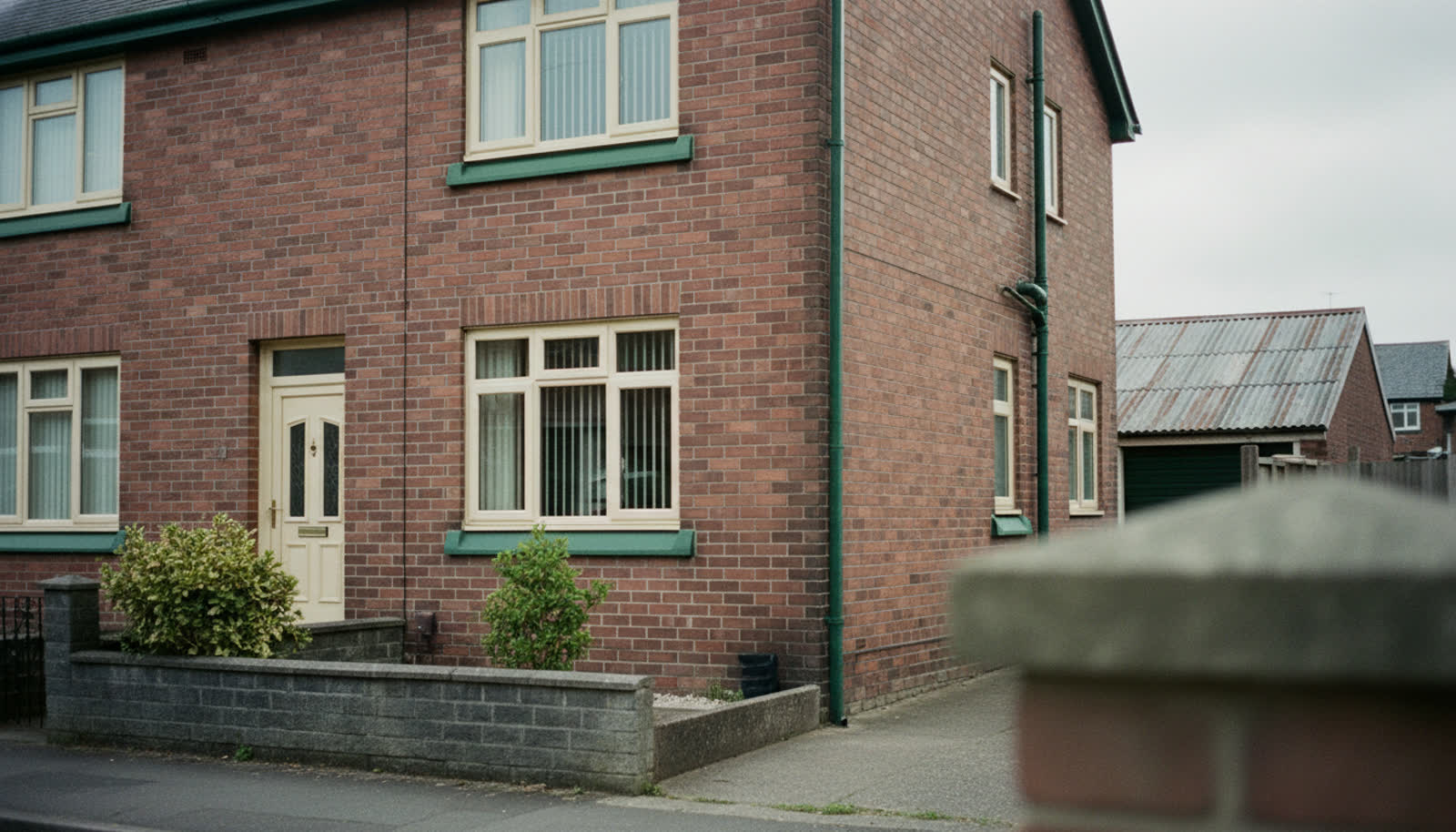
If you own, rent out, or are buying a home built before 2000, it may contain some asbestos-containing material somewhere in its fabric. That is a fact about older construction, not a reason for alarm: asbestos that is undisturbed and in good condition is generally safe to leave exactly where it is, and most owners of older homes will never need to do anything about it at all.
Why this matters mainly for older homes
Asbestos was a common construction material in the UK for most of the twentieth century, valued for its fire resistance and insulating properties. Its use was phased out through a series of regulations rather than a single cut-off date. Blue asbestos (crocidolite) and brown asbestos (amosite) were banned from import, supply and use under the Asbestos (Prohibitions) Regulations 1985, which came into force on 1 January 1986. White asbestos (chrysotile), which had continued to be used in some products, was banned under the Asbestos (Prohibitions) (Amendment) Regulations 1999, in force from 24 November 1999. The Health and Safety Executive summarises the practical effect of this as asbestos having been "banned in 1999," and notes that buildings constructed after 2000 are unlikely to contain it. If your home, or one you are considering buying, was built or last substantially refurbished before then, asbestos-containing materials could be present somewhere in it.
Where it tends to turn up
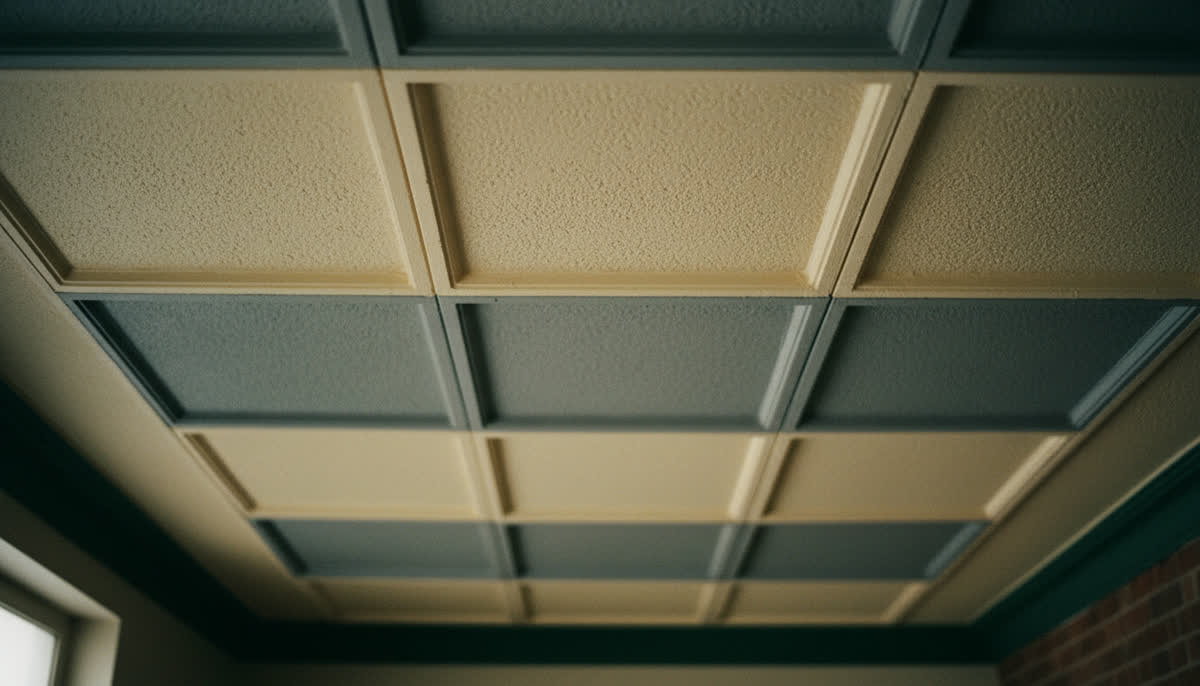
Asbestos was used in a wide range of ordinary building products, not just in industrial settings. In homes of the relevant era, it is most commonly found in: textured decorative coatings on ceilings and walls (a finish many people know by its best-known brand name, though not every textured ceiling contains asbestos); some older vinyl floor tiles and their backing; corrugated roofing sheets on garages, sheds and outbuildings; old water tanks, pipe lagging and boiler flues; and some soffits, fascias and guttering. None of this means every older property is affected, or that any particular product in your home necessarily contains it — only a sample test, or a surveyor's assessment, can confirm that. The point is simply that these are the areas worth being aware of before any drilling, sanding or removal work begins.
Who actually has a legal duty to manage it
This is the part that gets confused most often, so it is worth being precise. The Control of Asbestos Regulations 2012 place a "duty to manage asbestos" on the person responsible for a building under regulation 4. That duty, however, applies specifically to non-domestic premises — commercial and public buildings such as offices, shops, schools and warehouses — and to the common parts of multi-occupancy domestic buildings, such as the shared stairways, lobbies and corridors of a block of purpose-built flats. It does not impose a general duty on a landlord to survey or manage asbestos inside an ordinary single-let house or flat that one household rents as their home.
That does not mean a landlord of an ordinary rented house has no obligations at all where asbestos is concerned. The general repairing obligations under section 11 of the Landlord and Tenant Act 1985 still apply, requiring the landlord to keep the structure, exterior and main installations of the property in repair — see our guide to landlord repairing obligations under section 11 for what that covers in practice. Separately, if a landlord arranges building or maintenance work and that work is carried out by contractors, the landlord and those contractors have general duties under the Health and Safety at Work etc. Act 1974 not to expose people, including tenants, to risks from the work — including any disturbance of asbestos-containing material. In short: there is no separate asbestos-specific survey duty for a single let house, but the existing repairing and health and safety law still means a landlord should not ignore a known or suspected asbestos risk, and should take care before any work that could disturb it.
What to actually do if you suspect it
The Health and Safety Executive's consistent advice is straightforward: materials in good condition that are not likely to be damaged or disturbed are usually best left alone and simply monitored, since removal itself can create a disturbance risk that doing nothing would not. Problems arise from damage and disturbance, not from an intact material simply existing in a building.
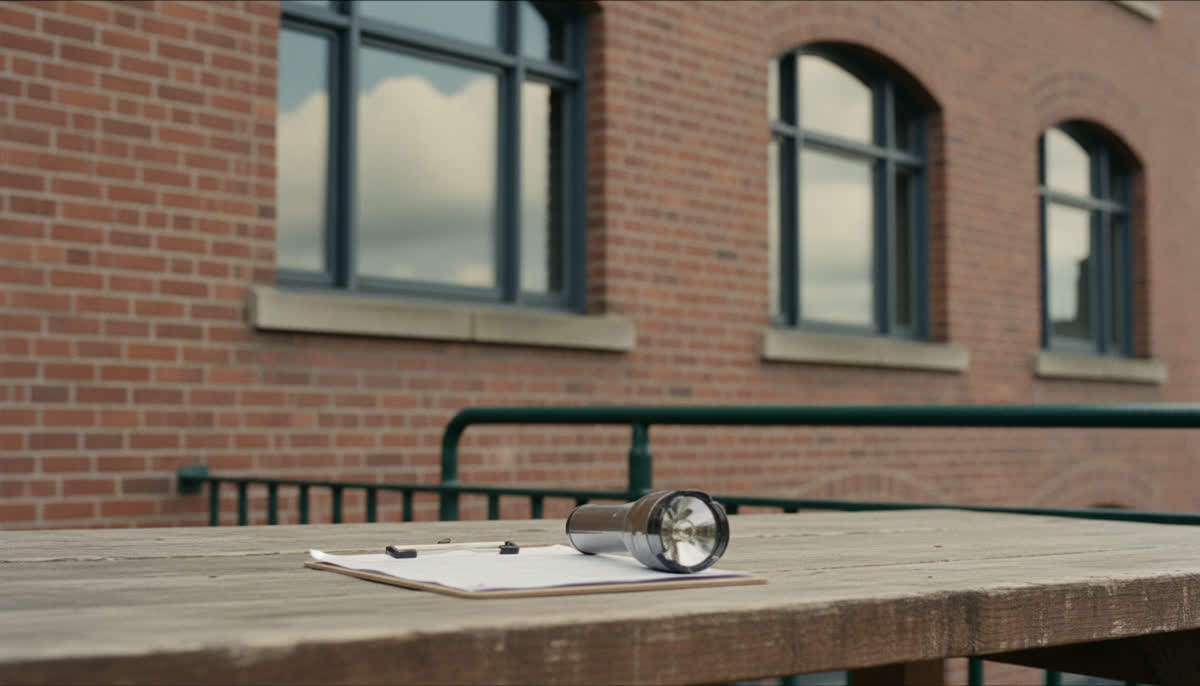
If you are planning work that could disturb suspected asbestos-containing material — removing a textured ceiling, taking up old floor tiles, or carrying out a larger refurbishment — the sensible step is to commission what HSE terms a "refurbishment or demolition survey" before work starts, so that any affected materials can be identified and dealt with safely beforehand. If you simply want to understand what is present in a property you already own or occupy, without planning disturbance, a "management survey" is the appropriate assessment. Both should be carried out by a competent, qualified surveyor rather than guessed at, and agency staff who handle older properties for lettings or sales are typically given some background training in recognising where asbestos risk is more likely, of the kind covered in asbestos awareness courses such as those Nexis CPD offers for property professionals.
For buyers
If you are buying an older property, a general building survey (or a specific asbestos survey, where the age or condition of the property warrants it) is a sensible precaution alongside the other checks worth making on an older home. It will not necessarily find anything, and in many cases it won't need to — but it gives you an informed picture before you commit, rather than a surprise after you move in. This sits alongside the wider due diligence we'd recommend on any older property purchase, from the condition of the roof and services to the kind of checks covered in our buy-to-let purchase checklist for anyone buying to let.
The headline point is a calm one: asbestos in an older home is common, well understood, and manageable. Undisturbed materials in reasonable condition are rarely an urgent problem. What matters is knowing roughly where it might be, not disturbing it without checking first, and getting a proper survey before any work that could release fibres.
This article is general information, not legal or health and safety advice, and reflects the position as we understand it in November 2026. If you suspect asbestos-containing material in a property, or are planning work that could disturb it, get a qualified asbestos surveyor's assessment specific to your situation.
For advice on buying, letting or managing an older property in Manchester, contact Atlas Estates on 0161 710 4510 or visit us at 12–14 Midland Street, Manchester M12 6LB.